Plateau’s Pain and the Leadership Nigeria Needs in 2027
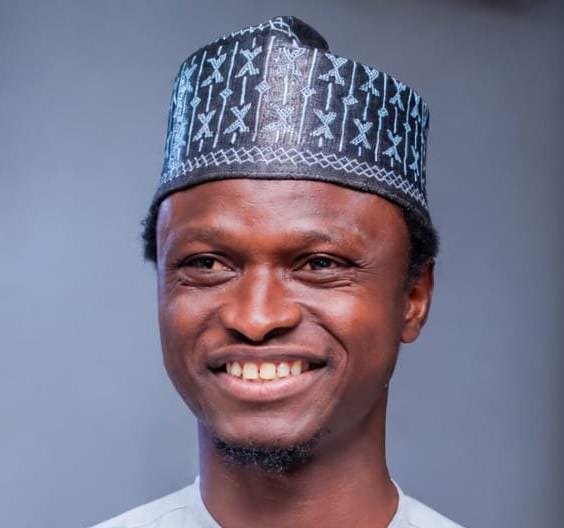
By Muhammad Inuwa Ibrahim
As the 2027 electioneering bangs on Nigeria’s doors, the political atmosphere is tense with all sorts of campaigns—some issue‑based, others intimidating, and many driven by calumny.
With elections commencing in the next three months, many Nigerians are tired of the incumbents and are looking forward to a new style of leadership, from the grassroots to the top echelon of power.
Nigeria has suffered leadership deficiency since Independence from Great Britain, and the consequences are visible in every sector of national life.
Considering the myriad problems that bedevil this country, one cannot help but desire a new set of leaders—leaders who will treat Nigeria’s challenges as personal responsibilities.
The Nigeria of 2027 needs leaders who understand that leadership is more than occupying well‑furnished, air‑conditioned offices. Nigerians need leaders who will protect lives, promote peace, uphold justice, create opportunities for young people and unite citizens.
Above all, Nigerians want leaders who will listen to the people and put the country’s interests ahead of personal and political ambitions.
One of the most important responsibilities of any government is to protect the lives and property of its citizens. For many Nigerians—especially those living in communities affected by violence—peace is not a luxury; it is a basic need. Plateau State, my dear state of residence, is a clear example.
Over the years, ethnoreligious conflicts have affected communities, displaced families, destroyed livelihoods and created fear and mistrust.


The people of Plateau, like Nigerians everywhere, deserve the opportunity to live, farm, trade, worship and raise their children without fear.
Read Also:
The leadership Nigeria wants in 2027 must therefore make peace and security a priority. Lasting peace, however, cannot be achieved through security operations alone. Leaders must also promote dialogue, justice, reconciliation and development.
Communities that have suffered violence need more than temporary security measures; they need opportunities to rebuild their lives and regain confidence in government.
Leaders must also ensure that people who commit crimes are held accountable, regardless of their identity or political connections.
Another important issue is the future of Nigerian youths. Young people make up a large part of the country’s population, and many of them are educated, creative and ready to contribute to national development. Yet unemployment, poor opportunities and economic hardship continue to frustrate many young Nigerians.
The leadership Nigeria wants should invest in quality education, skills development, entrepreneurship, technology and decent employment.
Young people should not be seen only as voters during elections; they should be recognised as partners in building the country.
Some may argue that Nigeria’s biggest need is economic development rather than peace. In reality, the two are closely connected. It is difficult to build a strong economy where people are afraid to travel, farmers cannot safely access their farms, businesses are destroyed and communities are constantly displaced. Peace creates the environment in which education, investment, employment and development can flourish.
On a final note, Nigeria needs leadership that prioritises peace, security, justice, accountability, economic opportunities and national cohesion—rather than leadership driven primarily by political competition and personal interests.
Muhammad Inuwa Ibrahim is a participant at the PRNigeria Young Communication Fellowship in Kano.