FG Urges Anti-Graft Agencies to Verify Petitions Before Summoning Officials
By Nafisat Bello
The Federal Government has urged anti-corruption agencies to verify petitions against public officials before inviting them for questioning, saying the move would protect innocent individuals from unnecessary reputational damage while ensuring investigations remain fair, objective and evidence-based.
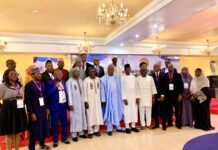
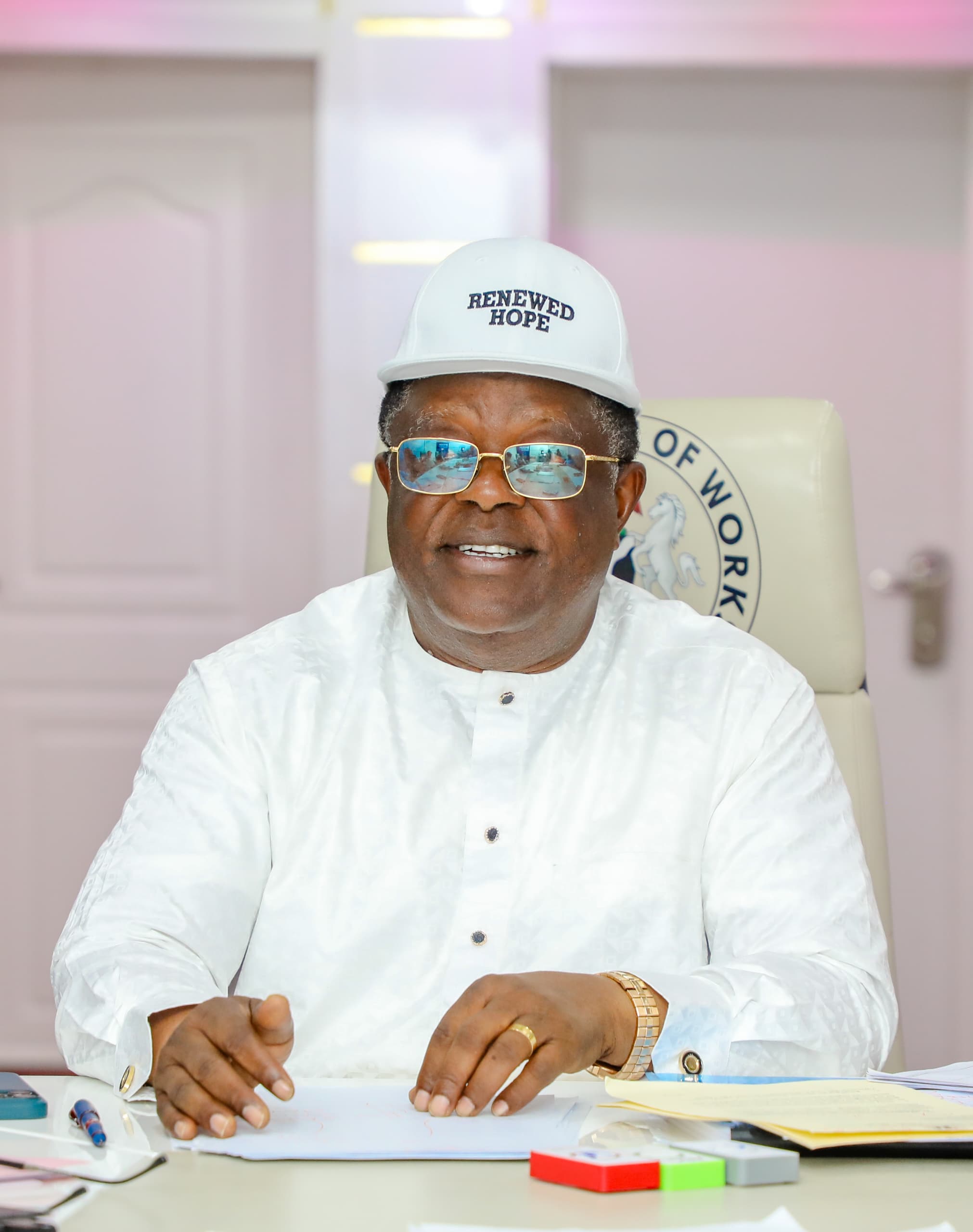
The Minister of Works, Engr. David Umahi, made the call on Thursday while delivering the keynote address at an interactive session on “The Role of Parliamentarians in the Fight Against Corruption,” organised by the Independent Corrupt Practices and Other Related Offences Commission (ICPC) at its headquarters in Abuja.
Umahi said anti-graft agencies should adopt an evidence-based approach by carrying out preliminary verification of petitions before summoning public officials, stressing that such a process would strengthen professionalism in investigations and promote public confidence in anti-corruption efforts.
The minister also called for stronger collaboration among the National Assembly, anti-corruption agencies and public institutions to deepen transparency, accountability and good governance across the country.
He described corruption as one of the greatest impediments to Nigeria’s development, noting that it weakens public institutions, erodes citizens’ trust and diverts resources meant for critical sectors such as infrastructure, healthcare, education, agriculture and other social services.
According to him, the fight against corruption requires proactive measures, robust institutions, effective legislation and responsible oversight rather than unnecessary confrontation.
Umahi noted that lawmakers occupy a strategic position in promoting accountability through their constitutional responsibilities of lawmaking, oversight and representation. He urged members of the National Assembly to continue reviewing existing laws, close loopholes that encourage corrupt practices and introduce reforms that strengthen integrity and efficiency in governance.
Read Also:


Drawing from his experience as former governor of Ebonyi State and his current role as Minister of Works, Umahi stressed the importance of prudent financial management, value engineering, strict adherence to due process, transparent procurement and effective project supervision in delivering quality infrastructure.
He disclosed that the Federal Ministry of Works has institutionalised several accountability measures, including rigorous project monitoring, improved supervision, collaboration with the National Assembly and anti-corruption agencies, as well as continuous capacity building for engineers and project supervisors to improve project delivery nationwide.
The minister reaffirmed the ministry’s commitment to transparency in procurement, stating that contracts are awarded strictly on the basis of competence, technical capacity and value for money, in line with the provisions of the Public Procurement Act.
On infrastructure development, Umahi reiterated the Federal Government’s resolve to complete the four Legacy Road Projects and other critical road and bridge projects across the country under President Bola Ahmed Tinubu’s Renewed Hope Agenda.
He assured Nigerians that the ministry would continue to deliver durable and high-quality road infrastructure while maintaining the highest standards of transparency, accountability and fiscal responsibility.
Earlier, the Chairman of the ICPC, Dr. Musa Adamu Aliyu (SAN), underscored the importance of collaboration between the legislature and anti-corruption institutions in strengthening democratic governance.
Aliyu described corruption as a major threat to national development and called for stronger legislative backing, institutional reforms and sustained public engagement to promote integrity and accountability.
Also speaking, the Chairman of the House of Representatives Committee on Anti-Corruption, Hon. Kayode Moshood Akiolu, advocated increased funding for anti-graft agencies to enable them to effectively discharge their constitutional mandates.
Representatives of the Economic and Financial Crimes Commission (EFCC) and the Bureau of Public Procurement (BPP) also reaffirmed their commitment to strengthening collaboration with the National Assembly and other stakeholders to enhance transparency, accountability and integrity in public procurement and governance.
The interactive session brought together lawmakers, officials of anti-corruption agencies, policymakers, public servants, development partners and governance experts to deliberate on practical strategies for strengthening institutional accountability and combating corruption in Nigeria.