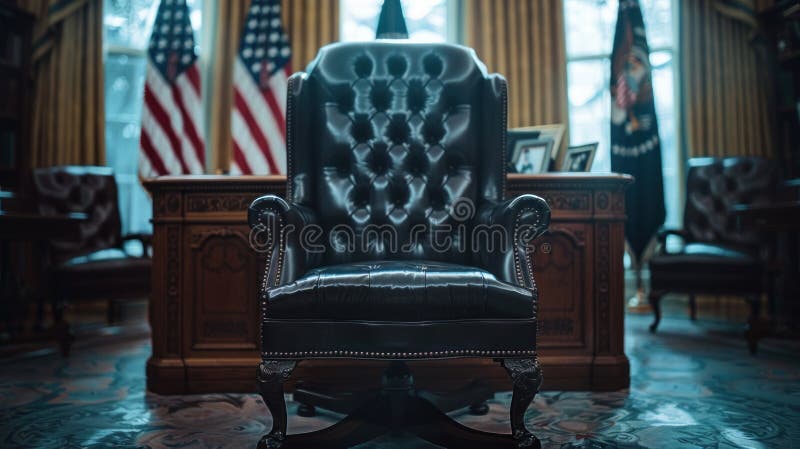
The Empty Chair: Executive Absence and Constitutional Lacunae
By Abubakar M. Kareto
President Bola Ahmed Tinubu left Nigeria on 30 August on what the Presidency first designated annual leave. On 21 September, officials announced that this working vacation was extended and that he would return at the weekend.
By then, the constitutional 21-day threshold had elapsed without any formal declaration under Section 145. Vice-President Kashim Shettima was also abroad. Across the continent, South Africa presented a parallel dilemma.
On 16 September, President Cyril Ramaphosa was booked off public duties following the BRICS summit, while Deputy President Paul Mashatile was on medical leave. Both leaders remained within national borders, yet no acting head assumed office. 2 republics, 2 varieties of executive absence, and 1 unresolved constitutional word: unable.
Nigeria introduced Section 145 after President Umaru Musa Yar’Adua’s hospitalization in Saudi Arabia reduced governance to rumor. Whenever the President proceeds on vacation or is unable to discharge the functions of office, he must transmit a written declaration to the Senate President and the Speaker. Until he writes the reverse, the Vice-President acts. If no declaration arrives within 21 days, the National Assembly may mandate the Vice-President to act.
The section names vacation and inability, yet defines neither. It does not mention departure from national territory, nor does it resolve a joint absence. The Presidency invoked vacation before adding working. A belated adjective cannot repeal a constitutional noun.
South Africa’s Section 90 approaches presidential absence through a structured cascade. It is triggered by absence from the Republic, inability to fulfill duties, or a vacancy. Succession is explicit: the Deputy President, followed by a designated cabinet minister, a minister chosen by Cabinet, and ultimately the Speaker.
When Ramaphosa visited Mauritius, Pretoria swore in Gwede Mantashe as acting president, maintaining that crossing borders without an executive handover violated the basic law. September proved different because neither executive crossed a border.
Ramaphosa rested at home, while Mashatile convalesced at his residence. The Presidency cancelled public engagements and deployed ministers. Pretoria contended that medical rest does not constitute incapacity. The office was not vacant; only ceremonies were.
That southern African episode sharpens the Nigerian controversy. It cleanly separates presence on national soil from capacity to govern, and physical rest from a formal handover of executive authority.
Read Also:
President Tinubu remained abroad while aides insisted he directed state affairs remotely. President Ramaphosa remained within South Africa while stepping away from public platforms.


Both administrations asked citizens to accept that governing behind closed doors or abroad equals executive presence. At times it may be. Breakdown begins when the basic law demands a formal instrument and the executive branch answers with a press statement.
Other African democracies have chosen distinct mechanisms to resolve these tensions. Ghana tied presidential succession directly to territory. Under its framework, if the President is absent or unable to act, the Vice-President steps in.
If both depart Ghanaian soil, Supreme Court jurisprudence affirms that the Speaker of Parliament must take the oath of office. That mechanism produces regular rituals of swearing in the Speaker for short absences, maintaining clarity over territorial sovereignty.
Kenya permits the Deputy President to act during presidential absence or temporary incapacity, withholding sovereign powers such as declaring emergencies. The United States, through the 25th Amendment, refused to treat travel as incapacity, reserving executive transfers for medical procedures or severe disability.
Nigeria’s Section 145 was drafted as a practical compromise for a historical crisis. Vacation was included because unannounced travel easily slips into executive disappearance.
Inability was included because medical secrecy paralyzes governance. The 21-day grace period was added so routine trips would not provoke succession battles. Gaps remain evident. Vacation carries no statutory definition.
Inability lacks an independent medical benchmark. The National Assembly retains power to pass a resolution, but faces no legal penalty when looking away. South Africa established a succession chain. Nigeria stopped at the deputy and left the rest to politics.
The facts of the current moment remain uncontested. A Nigerian president embarked on announced leave and remained abroad past the 21-day mark without a public transmission of authority.
A South African president and his deputy, both unwell at home, left the presidency without an acting head. 1 case turns on the definition of vacation, the other on an incapacity neither executive would formally declare. Nigeria’s dilemma is not constitutional ambiguity.
It is the recurring habit of treating clear legal duties as discretionary courtesies. Until that institutional habit stops, every prolonged absence will be masked behind fresh adjectives, while the public is asked to trust that someone, somewhere, is running the country.
Author Bio
Abubakar M. Kareto is a Public Affairs Analyst and Communications Strategist focusing on governance, policies, economy, and institutional reforms across Nigeria and Africa. He can be reached on X @amkareto and via email at [email protected].